CircleFunds Blog
Your guide to smarter thrift savings, Ajo groups, and financial freedom.

Why Are You Broke by the 6th?
The alert lands and for about four days you feel like a person. You settle what you owe, you buy the things you postponed, you say yes to a few outings. Then you check your account somewhere around the 6th and the number does not make sense. You were not reckless. You can account for nearly every naira. Yet here you are, three weeks from the next alert, already doing arithmetic. This is not a discipline problem. It is an order problem. Everything Loud Gets Paid First Think about what actuall

Ember Season Is Also Scam Season: How to Keep Your Savings Safe
Money moves faster between now and December. People are contributing to thrift groups, sending money home, paying for travel and clearing debts before the year ends. Fraudsters know this too, which is why the ember months are always their busiest season. In September, the Central Bank of Nigeria warned banks and fintechs that a weakness anywhere in the payment chain can spread across the whole system, and urged tighter security across the ecosystem. That warning was aimed at institutions, but t
The December Savings Challenge Is On: Save Toward Christmas With Target Savings
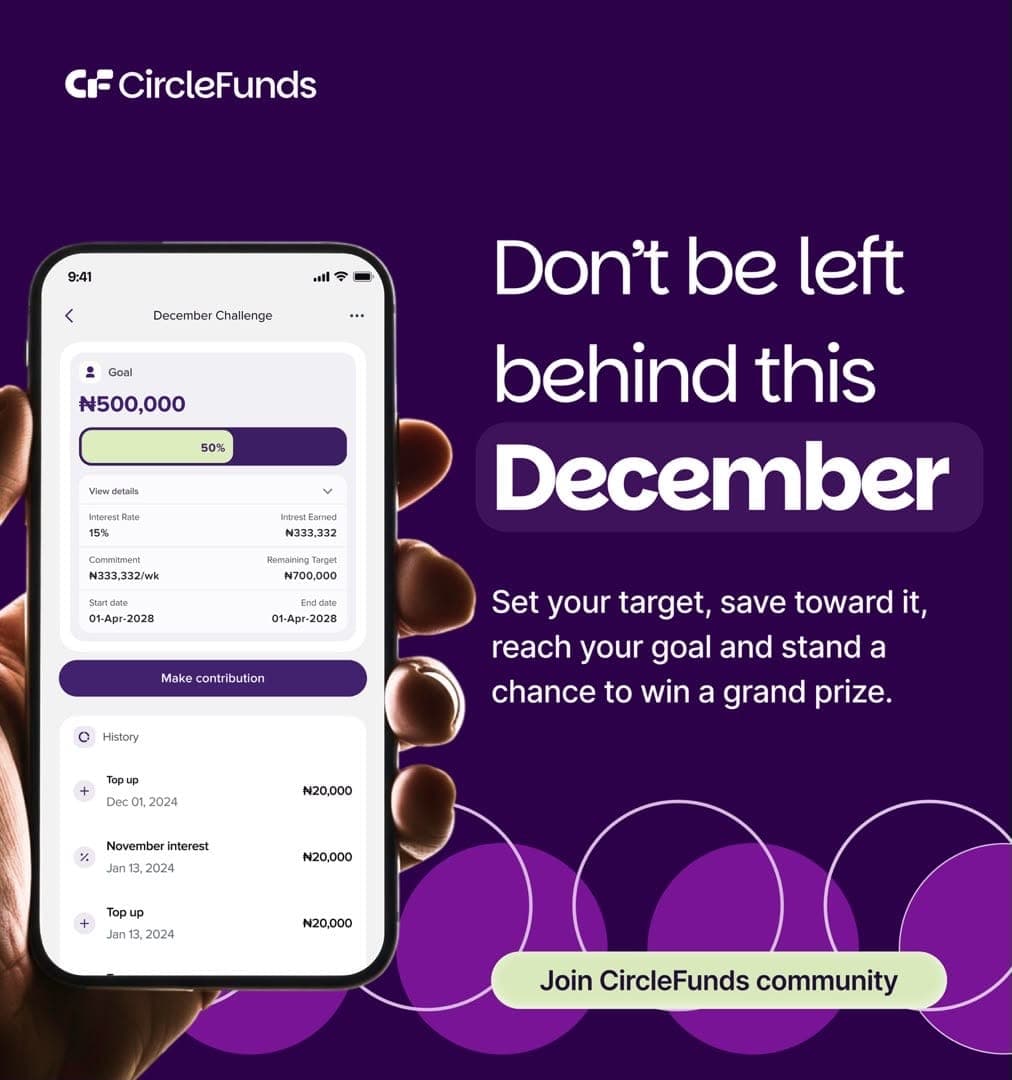
Every year the same thing happens. December arrives, everybody is travelling, buying, gifting and celebrating, and January quietly sends the bill. This year, CircleFunds wants you to walk into December with the money already sitting there, waiting for you. So we started the December Savings Challenge on Target Savings. It runs from 14 September to 20 December 2026, and the goal is simple: save steadily for about three months, and finish the year with a December fund you did not have to borrow f
The Ember Months Budget: How to Enjoy December Without Borrowing in January
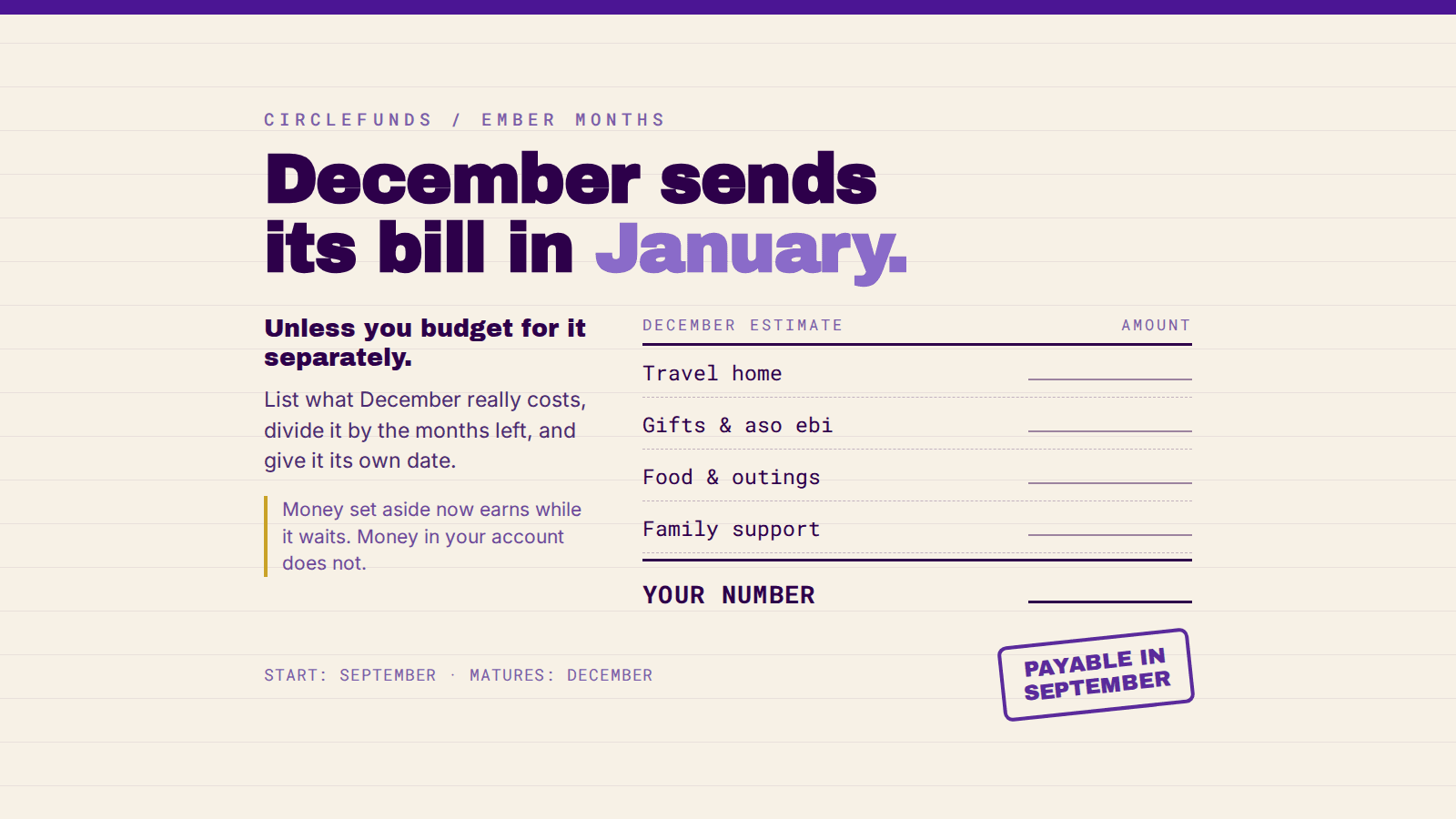
September opened the ember months. Between now and the end of December there is school resumption, the price creep that arrives every year around this time, Christmas, family obligations, travel and Detty December. Most people meet all of it from the same account that pays their rent. That is why January hurts. Why January Hurts The problem is not that you spent in December. The problem is that December spending came out of money that already had other jobs. Rent. School fees. Transport. By th
Is Ajo Safe? What Actually Goes Wrong In Ajo Groups
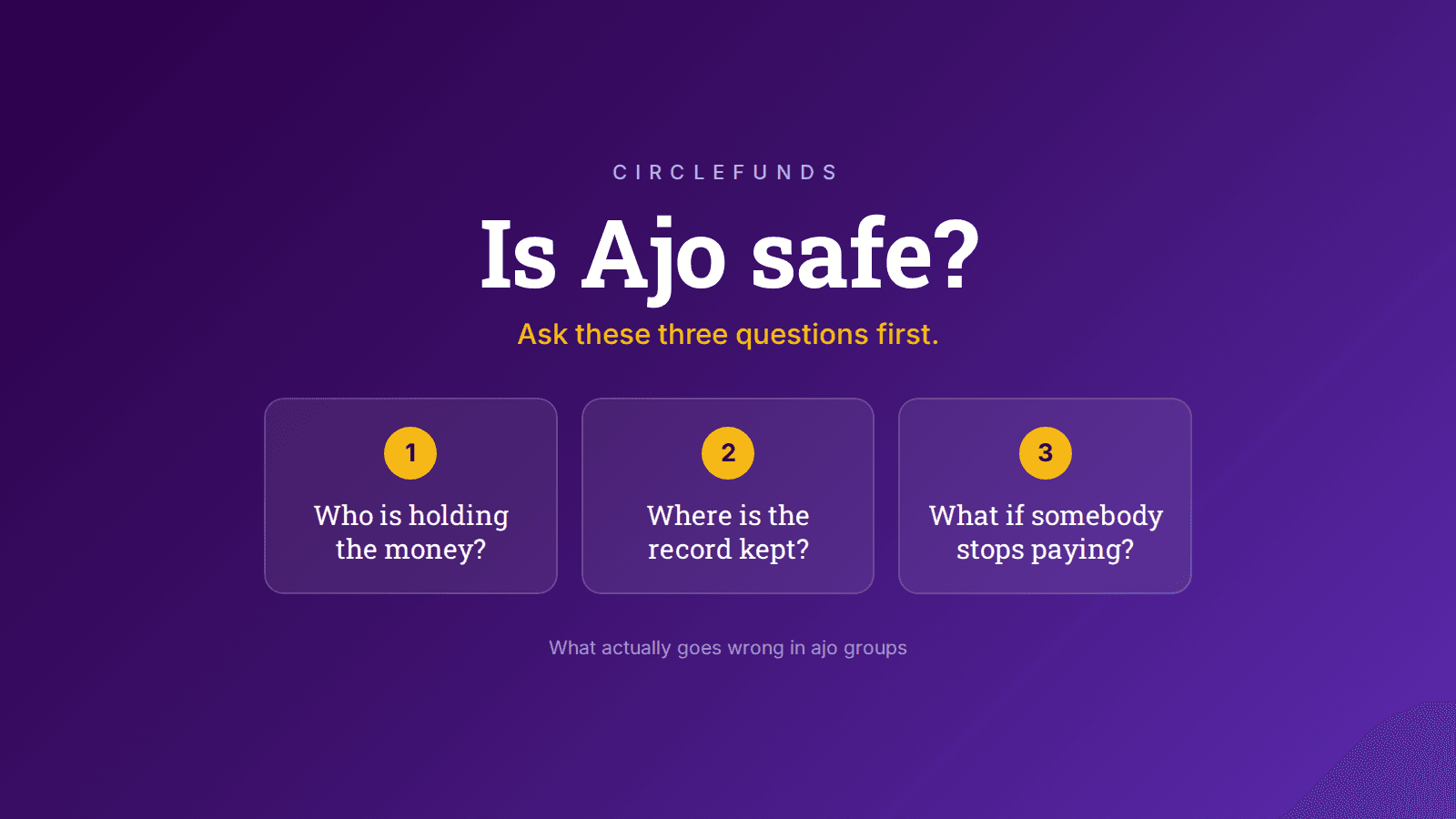
Ajo is safe when three things are handled: who holds the money, who keeps the record, and what happens when somebody stops contributing. Almost every ajo that collapses fails on one of those three, not on the idea itself. Ajo has worked in Nigeria for generations. People contribute a fixed amount on an agreed schedule and collect the pooled sum in turn. The structure is sound. What has never been safe is the admin around it. 1. Somebody has to hold the money In a traditional ajo, contribution
What Is Ajo? The Meaning, How It Works, And How To Run One Online
Ajo is a Yoruba word for a group savings arrangement where a set of people contribute a fixed amount on an agreed schedule, and each member collects the pooled sum in turn until everybody has had a turn. It is one of the oldest savings systems in Nigeria and it still works, because it solves a problem a bank account does not. It gives you a lump sum you could not have saved alone that fast, and it gives you people who will notice if you stop. This guide covers what ajo means, how it works in p
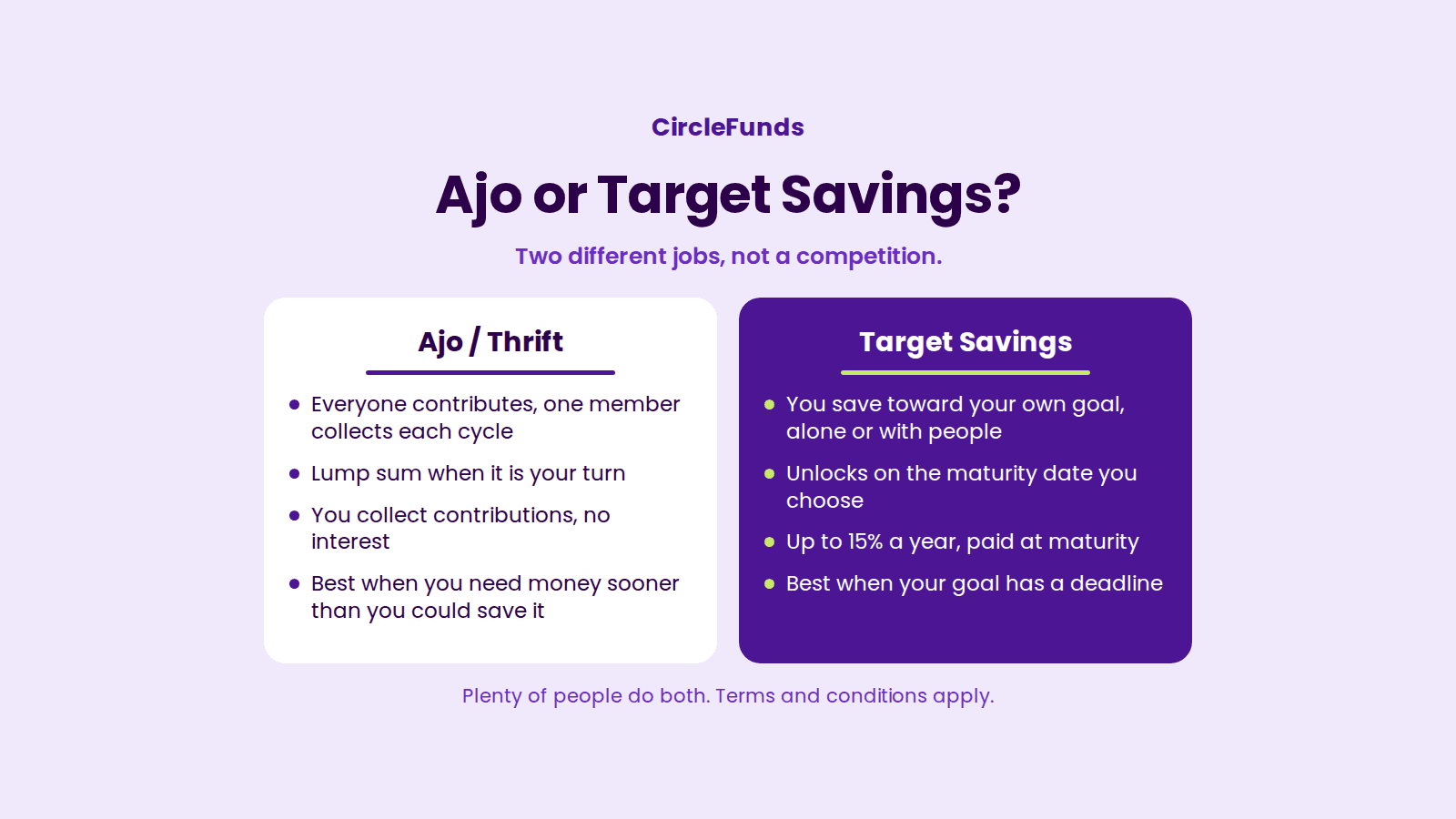
Target Savings vs Ajo: Which One Should You Use, and When?
Anyone who has done Ajo knows saving is not one decision. Sometimes you need money you have not finished saving yet. Other times you need money you already have to stay untouched and grow. Those are two different problems, and CircleFunds gives you a tool for each. What Ajo Actually Does for You Ajo is group saving with rotating payouts. Everyone contributes on the same schedule, and each member collects the full pot when their slot comes up. The power is timing. In slot 2 of a ten person cyc
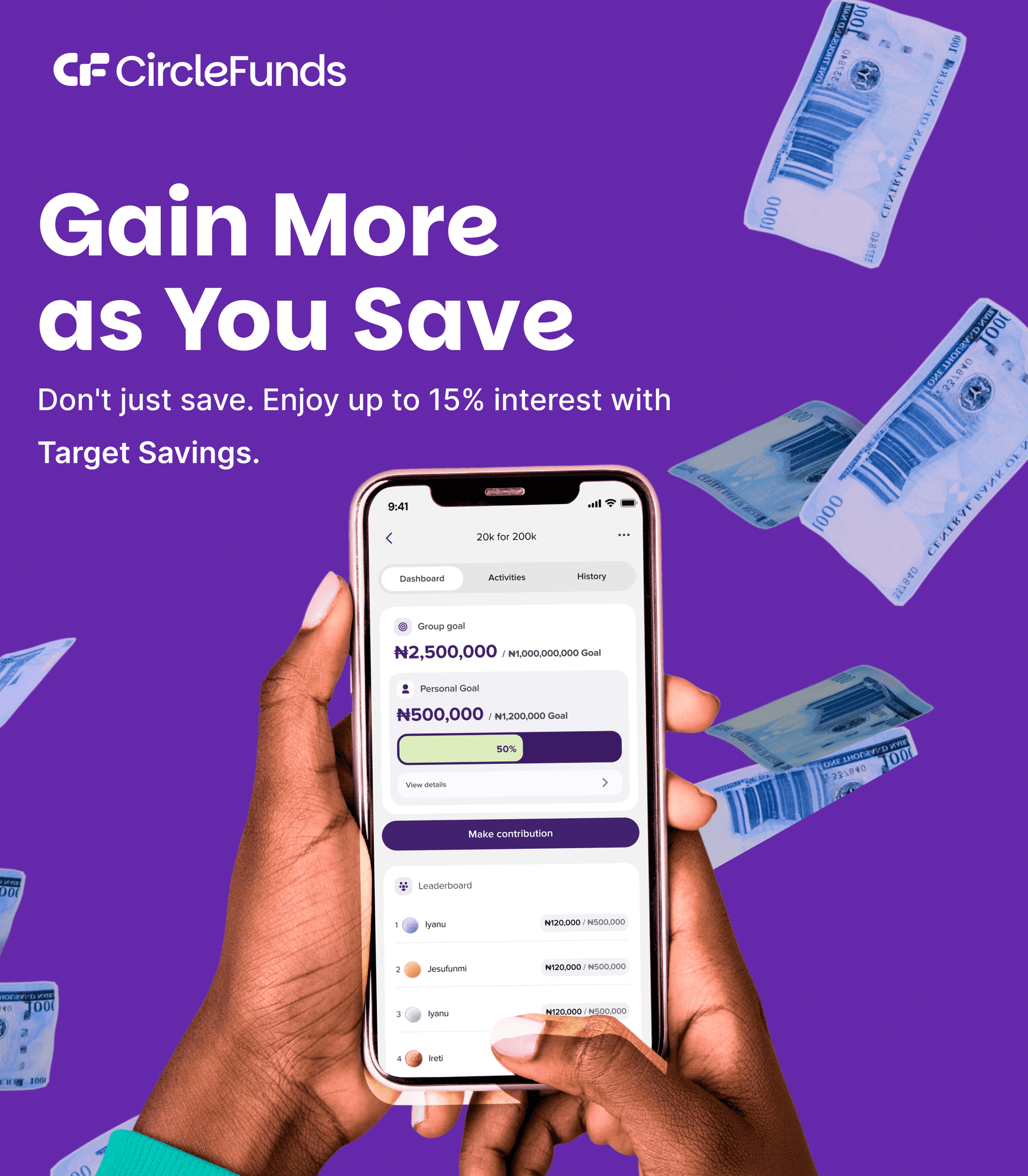
How to Earn Up to 15% Interest on Your Savings with CircleFunds.
Have you ever saved money for something important, only to spend it before you reached your goal? Or maybe you and your friends have a shared goal, but everyone's finances are different. What if everyone could save towards that goal at their own pace? That's one of the reasons you should start using Target Savings on the CircleFunds app. What is Target Savings? Target Savings is a goal-based savings feature designed to help you stay committed to your financial goals. Once you create a savin
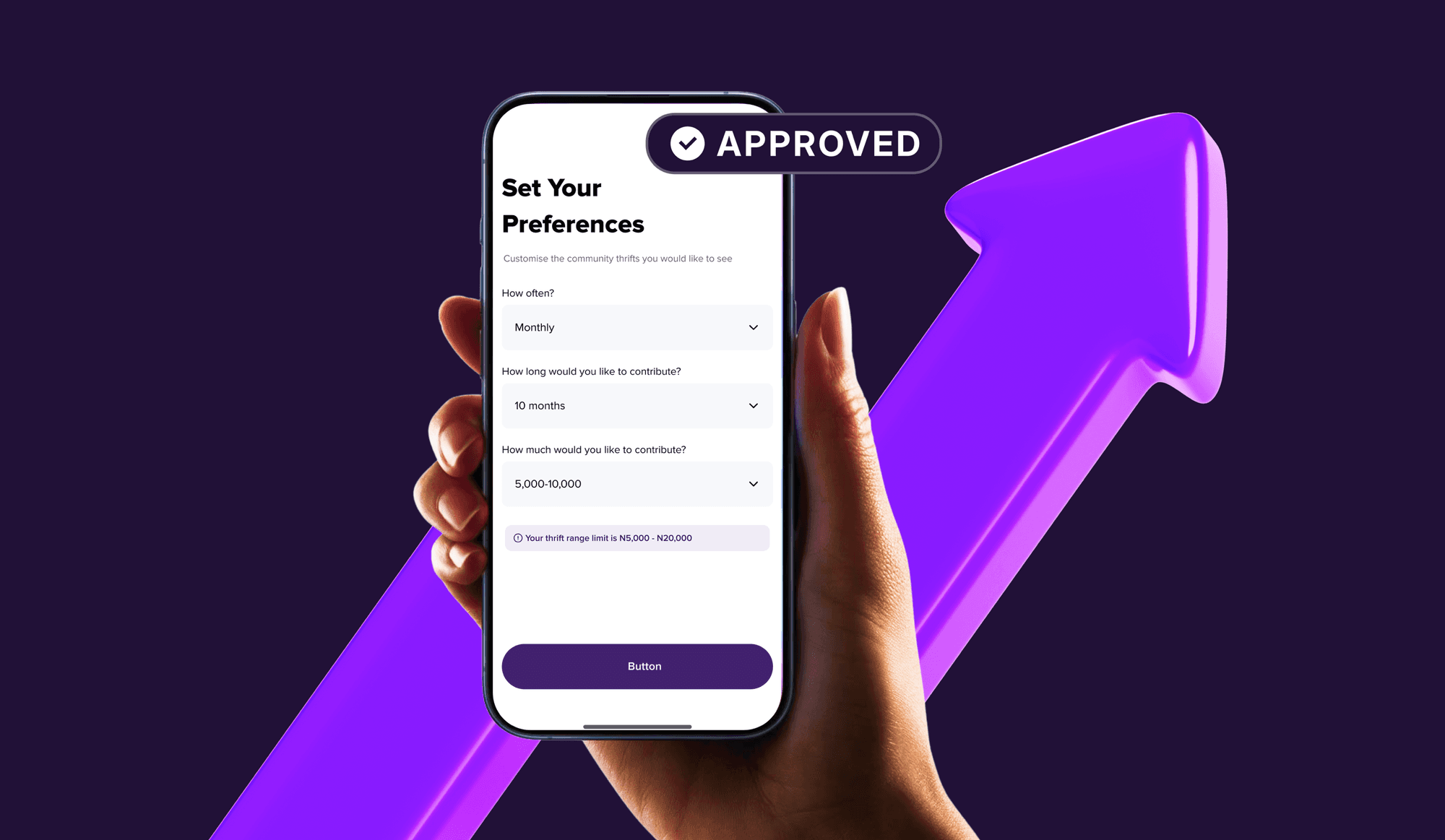
How You Can Boost Your Custom Thrift Approval Chances
Getting your custom thrift request approved on CircleFunds can feel frustrating, especially when you’re not sure what went wrong. Most times, it’s not about rejection, it’s about alignment. Once you understand how group saving works on the platform, it becomes easier to structure your request in a way that fits both your needs and the system. What Is Custom Thrift? Custom thrift is a community thrift feature that gives you flexibility within group saving, instead of sticking to suggested optio
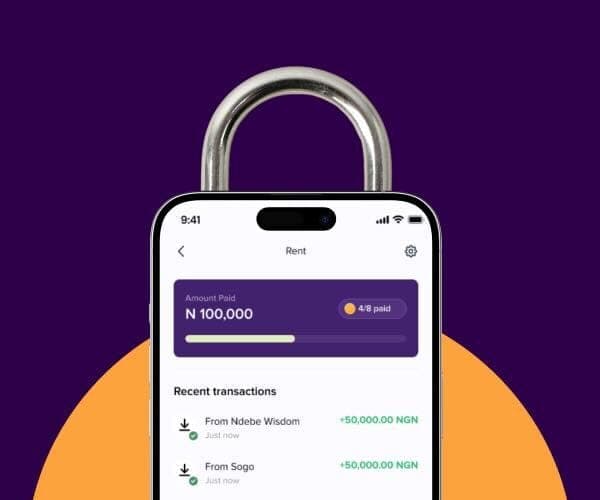
Who is in Charge of Your Ajo Money on CircleFunds?
With CircleFunds, Ajo is about clarity, accountability, and security.

How Much of Your Income Should You Save?
You don't need to save half of your income, here is all you need to know.

What is Ajo and How Does it Work?
What you need to know about Ajo

Money Mistakes You Need to Stop Making
Have you ever looked at your bank account and wondered where all your money went? Managing your finances can be tricky. Between bills, family responsibilities, and daily expenses, it’s easy to fall into habits that hold you back from achieving financial stability. To avoid making these mistakes, you need to start by recognising them. Here are three common ones to look out for: Mistake #1: Spending Without a Budget This is probably the biggest money mistake most people make: letting your mo
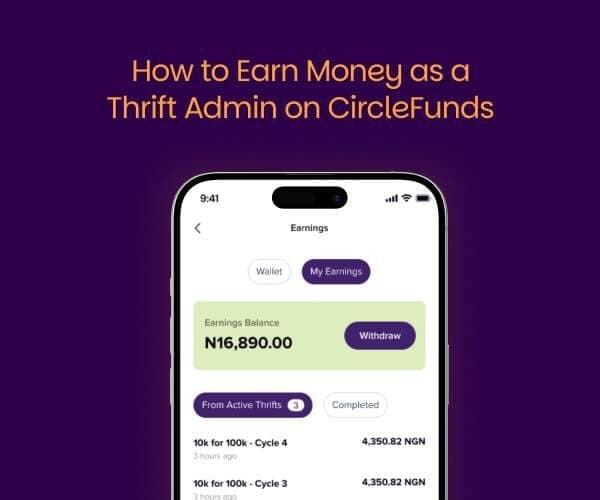
How to Earn Money as a Thrift Admin on CircleFunds
Do you know you can make extra income by being a thrift admin on CircleFunds?
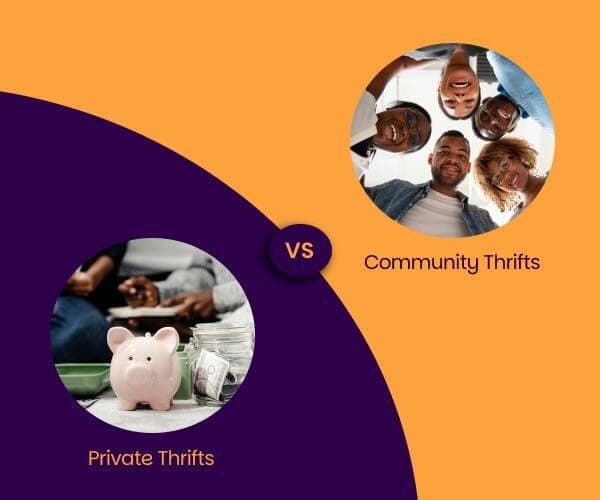
Community Thrifts vs Private Thrifts: What’s the Difference?
Whether community or private, CircleFunds makes thrift savings secure and stress-free.
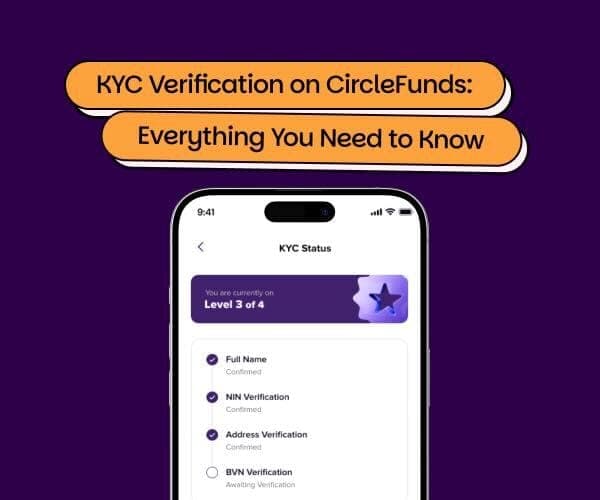
KYC Verification on CircleFunds: Everything You Need to Know
KYC verification protects you and your money - and it only takes a few minutes!
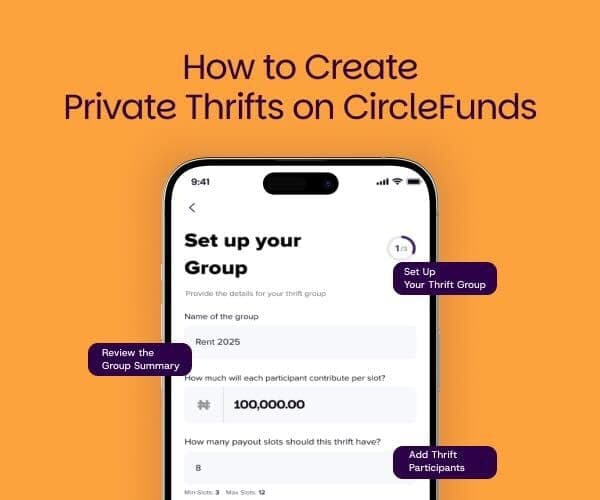
How to Create Private Thrifts on CircleFunds
Learn how to create a private thrift group on CircleFunds
Money tips worth opening
Get practical thrift, savings, and money-growth insights from the CircleFunds team — straight to your inbox.
Start saving smarter today
Whether you’re saving for a rainy day or a big dream, CircleFunds makes it easy, secure, and collaborative
Get the app